
Latest Alerts
Beware of fake coronavirus emails and texts
Beware of scammers sending fake coronavirus emails and texts to try and steal your personal details.

The Coronavirus outbreak, which has gained global attention, presents an opportunity for malicious actors to take advantage of the worldwide concern and use it to conduct various online scams.
Recently reported activity includes spear-phishing campaigns, financial scams, and disinformation campaigns spread via social media websites. Malicious actors are tailoring campaigns in order to collect sensitive information, steal money via fake donation websites, spread false information, and deliver malware to victims.
Several spear-phishing campaigns impersonating the Canadian government and various healthcare organizations including the World Health Organization (WHO) have been reported (1).
How do the scams work?
Victims receive Coronavirus-themed emails in which the actors request the victim to open an attachment or click on a link provided via the email in order to obtain details about the Coronavirus. Once a victim clicks on the attachment or link, they are directed to a malicious website controlled by the actors or given a false login pop-up, requesting the victim to enter his/her login credentials.
Malicious actors can use the login credentials to access the victim’s accounts or to conduct further cyber attacks. In other campaigns, victims received emails that also appeared to originate from the U.S. Centers for Disease Control (CDC), CDC; however, malicious actors requested a donation via Bitcoin to fund a false “incident management system,” in relation to the Coronavirus (2).
Scammers have been targeting people with phishing texts Credit: KnowBe4 (3).
Handy tips to prevent becoming a victim of Coronavirus-themed online scams:
Stay on the lookout for phishing emails and other scams related to Coronavirus. Some handy tips:
• Go directly to a trustworthy website for updates rather than clicking on email attachments, links, or pop-ups
• Double check a website address prior to typing it in as scammers typically slightly alter URLs so they closely resemble a legitimate URL
• Do not enter sensitive data such as username and password into websites that do not typically ask for it
• Use multi-factor authentication whenever possible
• Use complex passwords and use different passwords for different services
• Keep systems updated and running antivirus software
Sources:
(1) https://www.ctvnews.ca/health/coronavirus/how-to-avoid-falling-for-coronavirus-scams-1.4844010
(2) https://www.consumer.ftc.gov/features/coronavirus-scams-what-ftc-doing
(3) https://www.thesun.co.uk/money/11112939/beware-scammers-fake-coronavirus-emails-texts/
Latest posts
Cyber Tips

Why American Businesses Need a Cyber Incident Response Plan
A tested cyber incident response plan is the single biggest cost reducer for organizations that have been breached, reports IBM. Here’s what a plan should include and how American small businesses can build one before a costly incident happens.

Cyber Tips
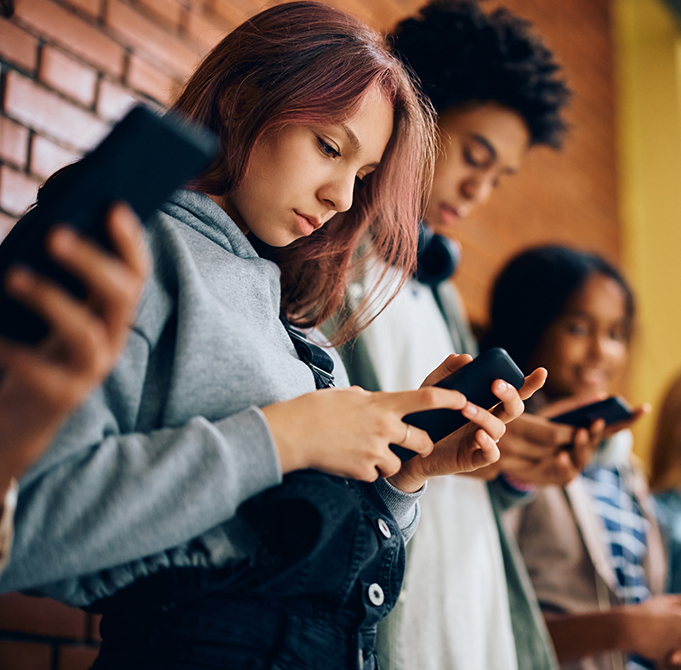
Safeguarding Youth Mental Health: The Impact of Digital Risks on Wellbeing
October is Cyber Security Awareness Month, and October 10 is World Mental Health Day. Together, they’re a reminder that digital risks and mental wellbeing are closely connected, especially for young people growing up online. Learn how digital risks affect mental wellbeing and how prevention, education and protection tools can help.
Cyber Tips

Stand Up to Cyberbullying Against Youth: An American Family’s Guide to Prevention and Digital Safety
Cyberbullying can impact kids’ wellbeing. Here’s how American families can prevent online harms to keep their children safe during Cyber Awareness Month and all year long.
Sign up for the BOXX Insurance Newsletter
Get the latest updates about Cyber Insurance and Protection with our newsletter.